Spotted Salamander Symbiosis: Content Primer
An Introduction to Symbiosis
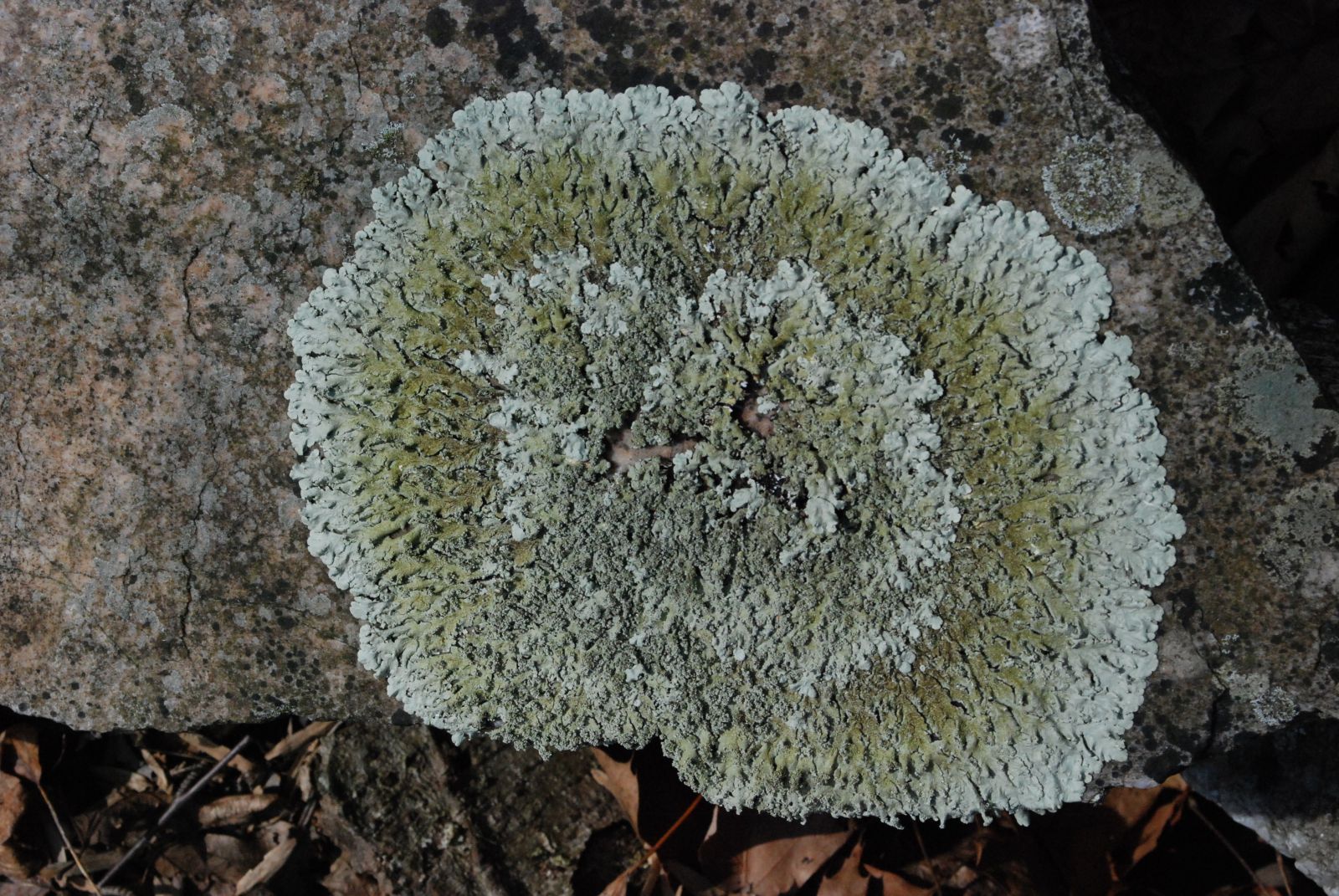
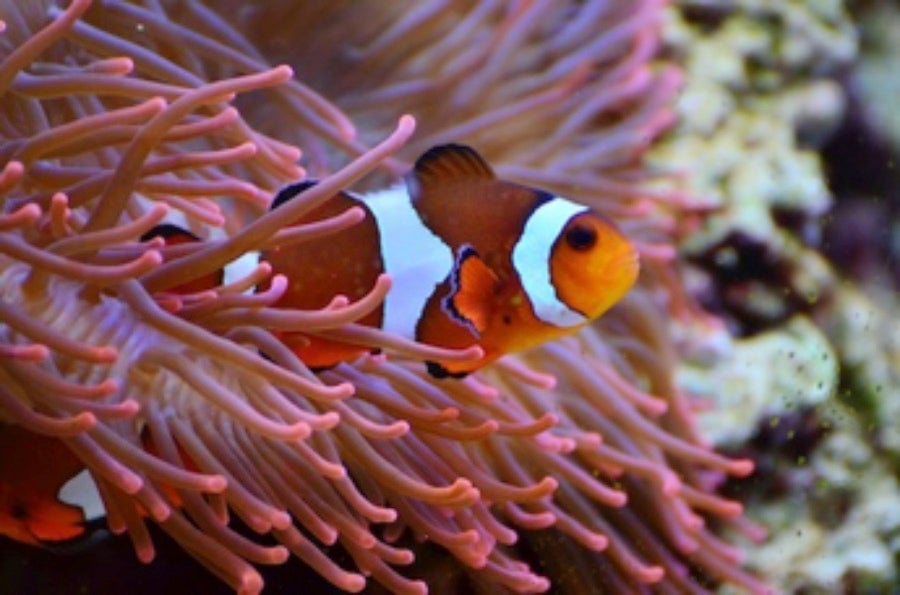
According to Merriam-Webster, symbiosis is “the living together in more or less intimate association or close union of two dissimilar organisms.” Classic examples of symbiosis include lichen, coral and zooxanthellae algae, clownfish and anemone, and ants and aphids. The list goes on.1 Within our own bodies, the aptly named human microbiome represents the relationship with bacteria within our gut and on our skin.2, 3 Our bodies contain and are covered with trillions of bacteria and other microbes. In fact, the ratio of microbial cells to human cells is approximately 10:1.
Three types of symbiosis exist that further define these relationships, but these definitions may be too simplistic to describe these complex interactions. Below are the standard definitions:
- In a mutualistic relationship, both organisms benefit equally. For example, a fish called a goby does not burrow well but can see. A blind shrimp can burrow. By themselves, these animals are easy prey. But, working together, the shrimp digs a burrow and the goby watches for predators that could eat them both.
- In a commensal relationship, only one organism benefits. For instance, a barnacle gets food and travels by attaching itself to a whale. There may be no advantage for the whale.
- In a parasitic relationship, one organism benefits while the other suffers. A tick benefits by feeding off the blood of a host, for example a dog. The dog can be harmed because the tick may transmit disease to the dog.