Knauss legislative fellowships in Congress help build careers — and they're fun and educational. See our video and fact sheet for details.
$1 Million NOAA Award Will Support Aquaculture Workforce Development Project
November 12, 2026
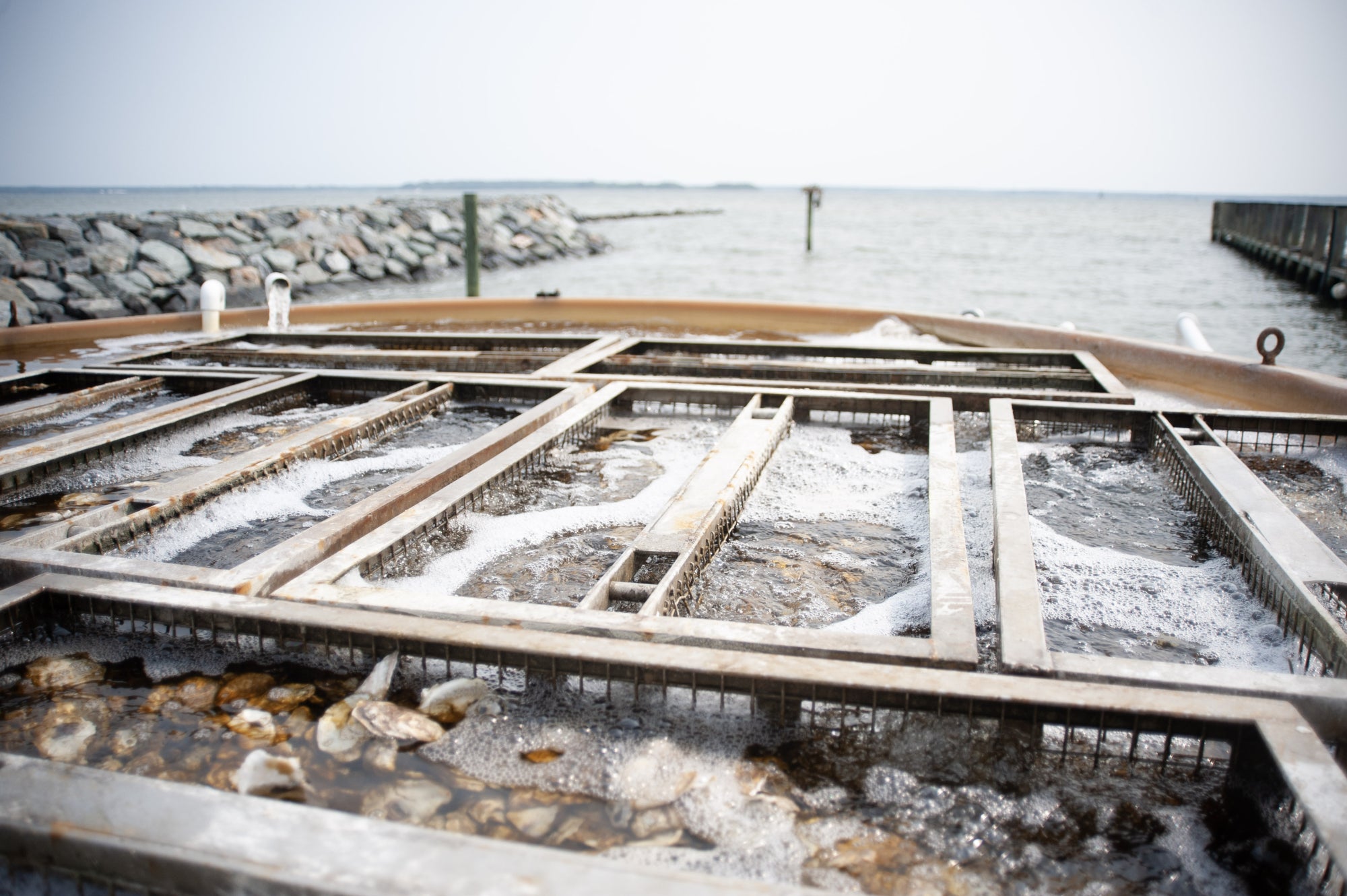
Photo credit: Maryland Sea Grant
The University of Maryland Center for Environmental Science and Maryland Sea Grant, alongside co-lead organizations, have been awarded a $1 million grant from the National Oceanic and Atmospheric Administration (NOAA) to advance the development of a skilled aquaculture workforce in the United States. This grant is part of a National Sea Grant College Program initiative to establish and support collaborations with Minority Serving Institutions (MSIs). Maryland Sea Grant will lead the three-year Building Aquaculture Together project to develop capacity and connections between Sea Grant programs and MSIs. A significant portion of this grant will support a funding opportunity for MSIs working on aquaculture activities.
The aquaculture industry in the US trails the rest of the world in seafood production. As a result, the US depends on imported seafood to meet consumer demands. The federal government is prioritizing improvements to aquaculture production, but industry growth is hampered by the lack of a skilled domestic workforce. Providing post-secondary students greater exposure to aquaculture-associated career paths is one path toward building an aquaculture workforce. MSIs (federally designated higher education institutions based on the percentage of students identifying with minority designation categories) constitute about a quarter of post-secondary education institutions nationally. Partnerships with industry and local Sea Grant programs would spur innovation and growth at MSIs interested in aquaculture programs and activities.
“BAT is an exciting opportunity for Sea Grant to grow connections with and support for regional MSIs,” says Maryland Sea Grant interim director and associate director for research and administration Mike Allen. “Aquaculture cannot reach its full potential in the US without expanding awareness of this field and broadening the workforce.”
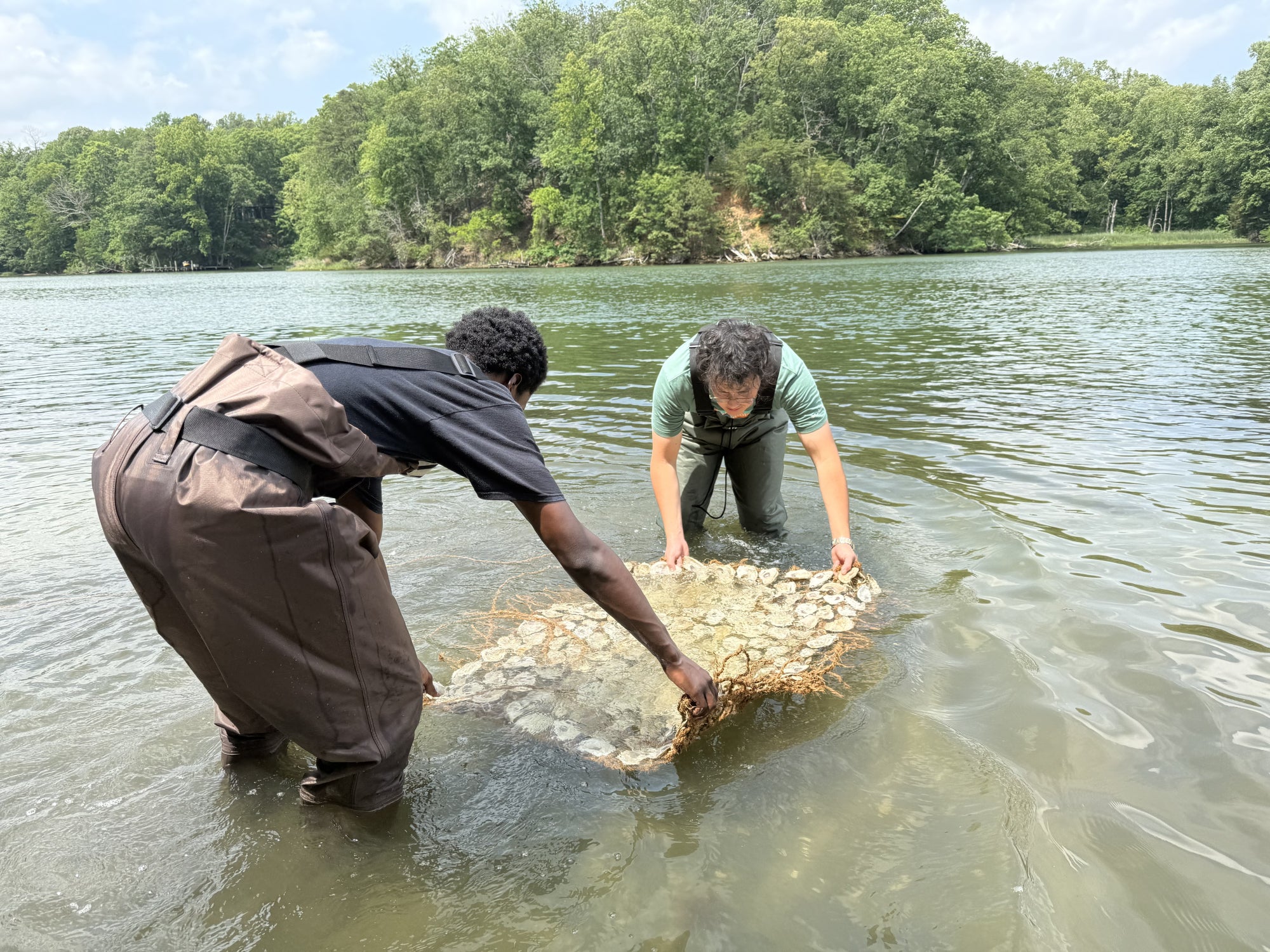
Photo credit: Morgan State University Patuxent Environmental and Aquatic Research Laboratory (PEARL)
Building Aquaculture Together is driven by a new partnership group called the Mid-Atlantic–New England Sea Grant Minority Serving Institution Collaborative. This collaborative is led by Maryland Sea Grant alongside co-lead organizations Minorities in Aquaculture, Morgan State University, and New Hampshire Sea Grant. Additional collaborators include Sea Grant programs in the Mid-Atlantic and New England regions. In the first year of the project, the collaborative will meet to build connections and conduct a needs assessment to inform funding and professional development activities led by the collaborative. Gaining this understanding of regional MSIs’ needs will lead to more effective offerings and partnerships.
“Minority serving institutions are already preparing the next generation of aquaculture professionals, and the best way to support them is to ask their faculty, staff, and students directly what’s working and what’s missing,” says Morgan State University Patuxent Environmental and Aquatic Research Laboratory director Scott Knoche. “Fittingly, that work is being led in part by Giselle Paula James, a Morgan State graduate and pre-doctoral research associate at PEARL who is herself a product of that pipeline.”
The Building Aquaculture Together project will directly support MSIs with funding for aquaculture activities. In year two of the grant, the collaborative will open a funding opportunity to MSIs in the Mid-Atlantic and New England regions establishing, maintaining, or expanding aquaculture programs or activities. This funding opportunity will provide a pool of $600,000 to support several one-year projects.
“In order to expand and support the growth of the aquaculture industry in the US, we need to ensure that everyone has access to the opportunities that this industry has to offer,” says New Hampshire Sea Grant’s marine fisheries program specialist Gabriela Bradt. “As connectors, conveners, and facilitators, Sea Grant is in an excellent position to support this endeavor. Through relationship-building with important partners and regional Sea Grant programs, we hope to not only support the next generation of aquaculturists but ensure that it is an industry that is accessible to everyone.”
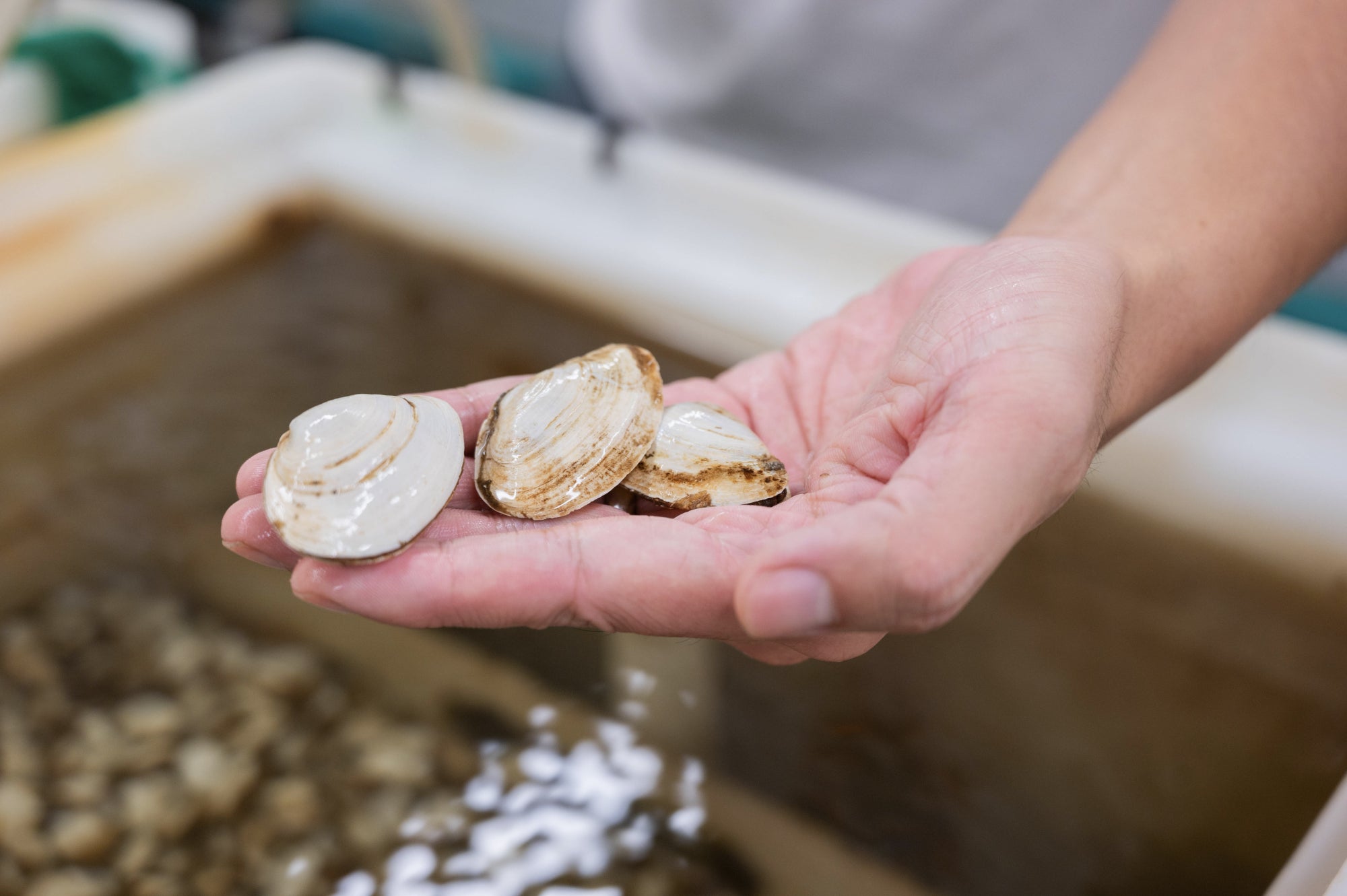
Photo credit: Maryland Sea Grant
As year three of the project concludes, the project team will host a workshop for collaborators and funding recipients. In addition to engaging in presentations about funded aquaculture activities, conference participants will reflect upon lessons learned from networking and partnerships, plan how they will maintain these collaborations, and consider future directions for the collaborative.
“Expanding the aquaculture workforce means helping students move beyond learning about the industry to gaining the experience, connections, and support needed to build careers within it,” says Minorities in Aquaculture founder and CEO Imani Black. “Through collaboration with minority-serving institutions and Sea Grant programs, we can help bridge the gap between education and employment while supporting the next generation of aquaculture professionals.”
As the aquaculture industry expands in the United States, the Building Aquaculture Together project will form sustainable partnerships and offer both funding opportunities and professional development programming to support MSIs engaging in the aquaculture field. Follow the project at www.mdsg.umd.edu/fisheries-and-aquaculture/building-aquaculture-together.
About Maryland Sea Grant
Maryland Sea Grant is one of 34 Sea Grant programs supported by the National Oceanic and Atmospheric Administration in coastal and Great Lakes states that encourage the wise stewardship of our marine resources through research, education, outreach, and technology transfer.
Program Announcements
CONTACT THE COMMUNICATIONS STAFF
Please share your ideas for articles, blog posts, and coverage. See our contact information and more about what we do.