Knauss legislative fellowships in Congress help build careers — and they're fun and educational. See our video and fact sheet for details.
Scientific Illustrations
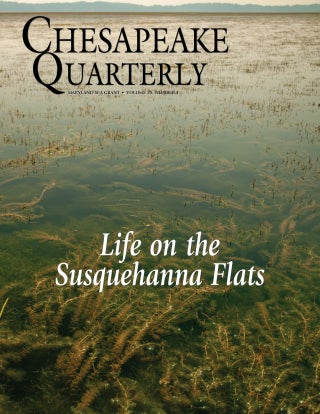
Discover how art can deepen our understanding of the natural world with this series of scientific illustrations. Created through our Science Illustration Internship program in collaboration with scientists, this collection translates Chesapeake Bay and coastal research into visual stories. Select an image below to explore the corresponding gallery and download the illustrations.
Scientific Illustration Resources
Aquaculture in Action
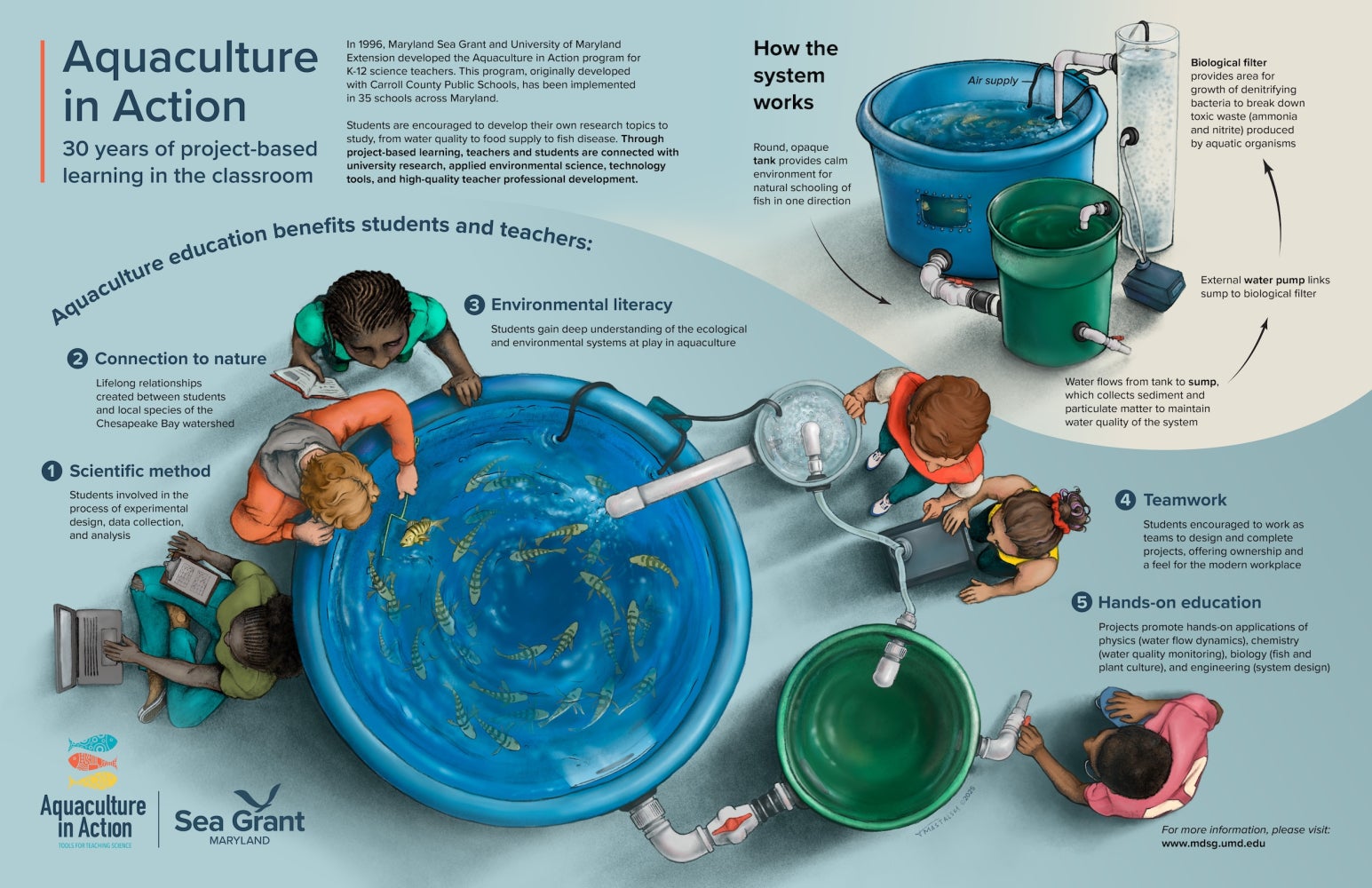
See how an aquaculture system in the classroom works and explore the benefits for students and teachers.
Biofilms and Biodiversity
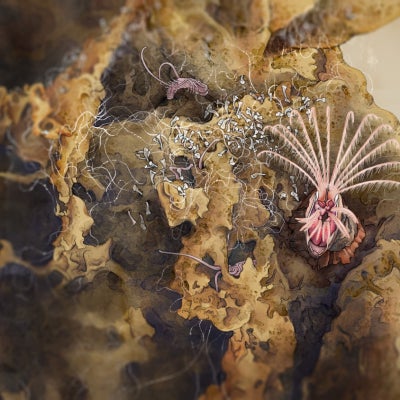

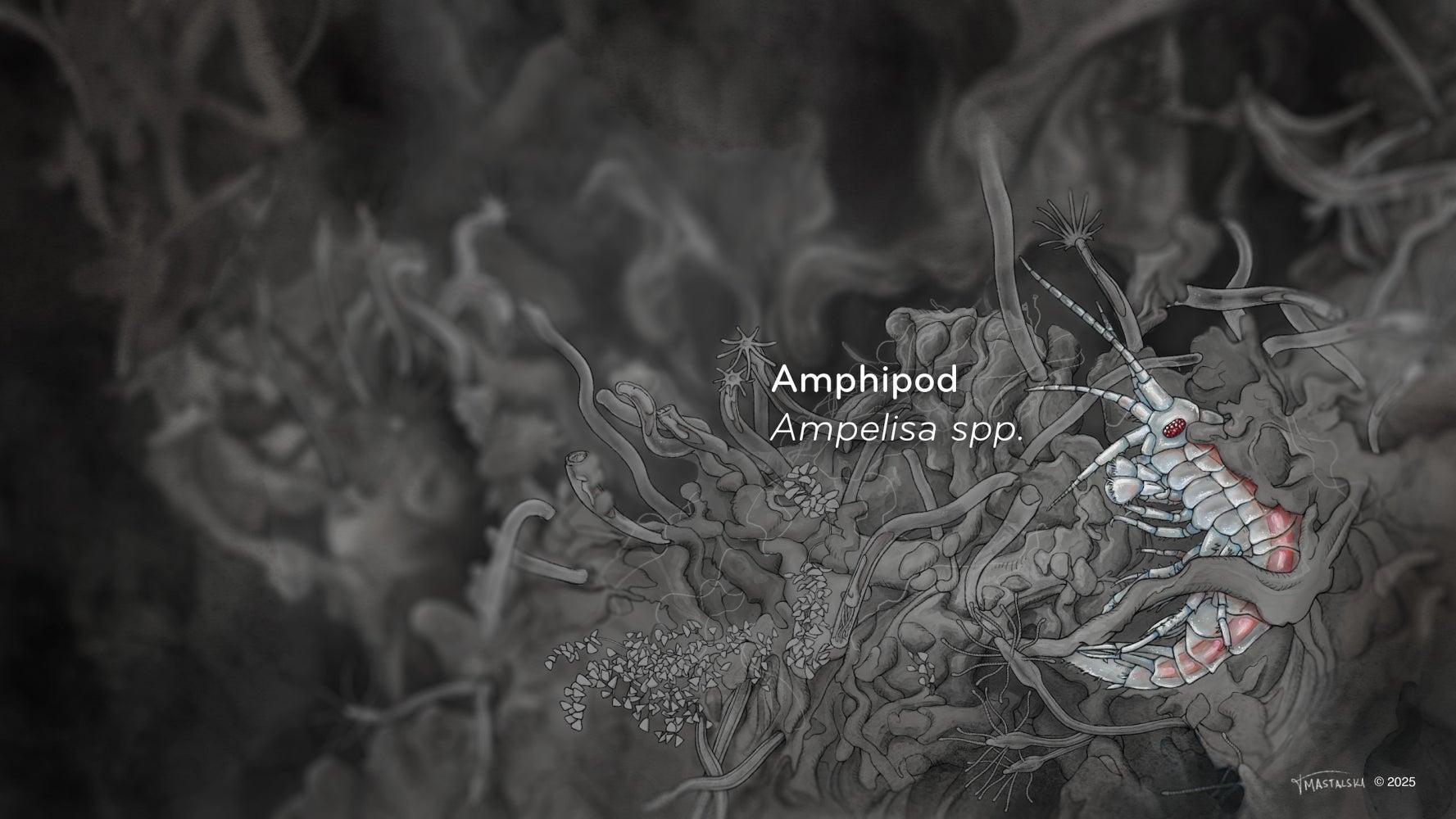
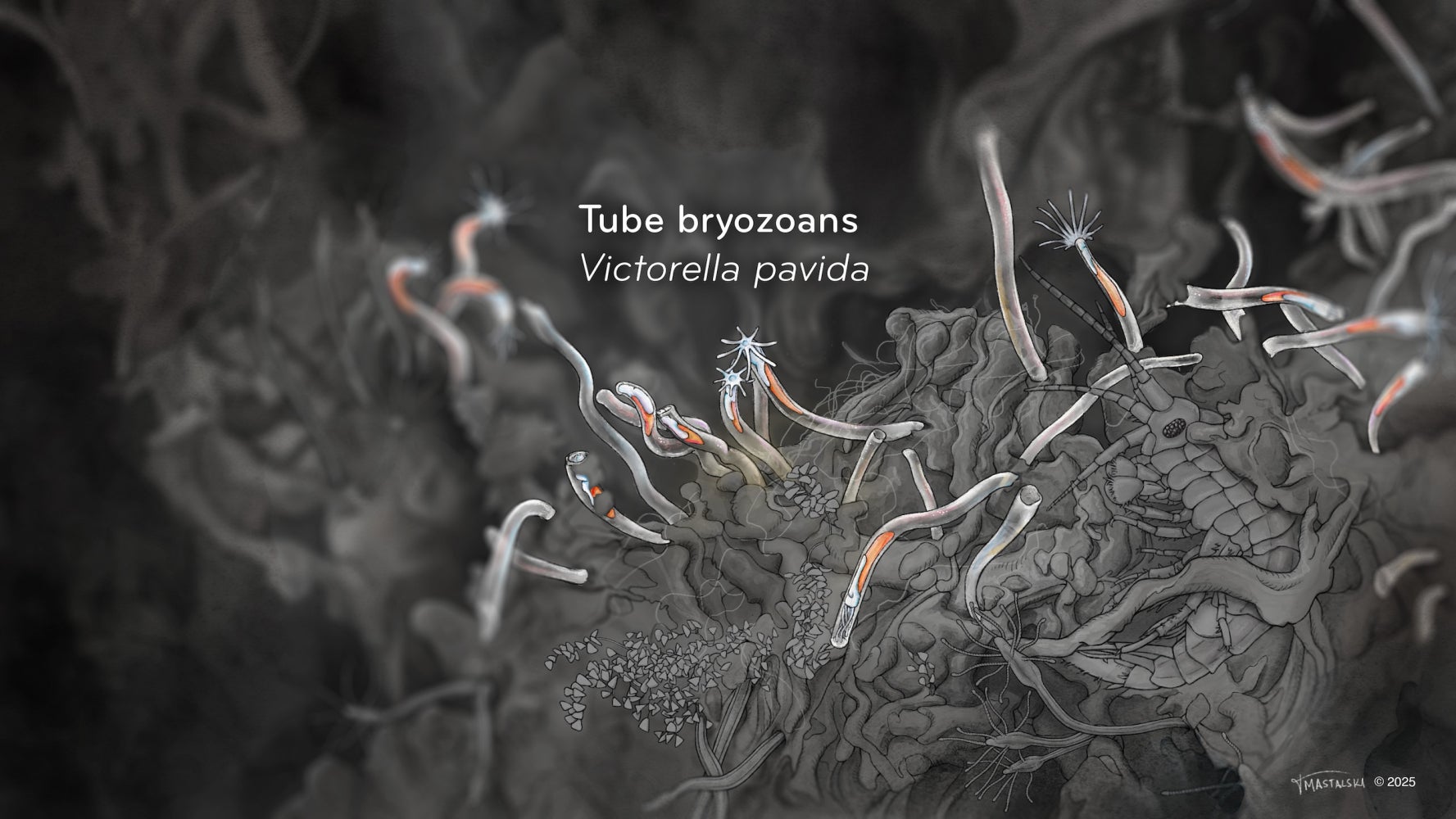
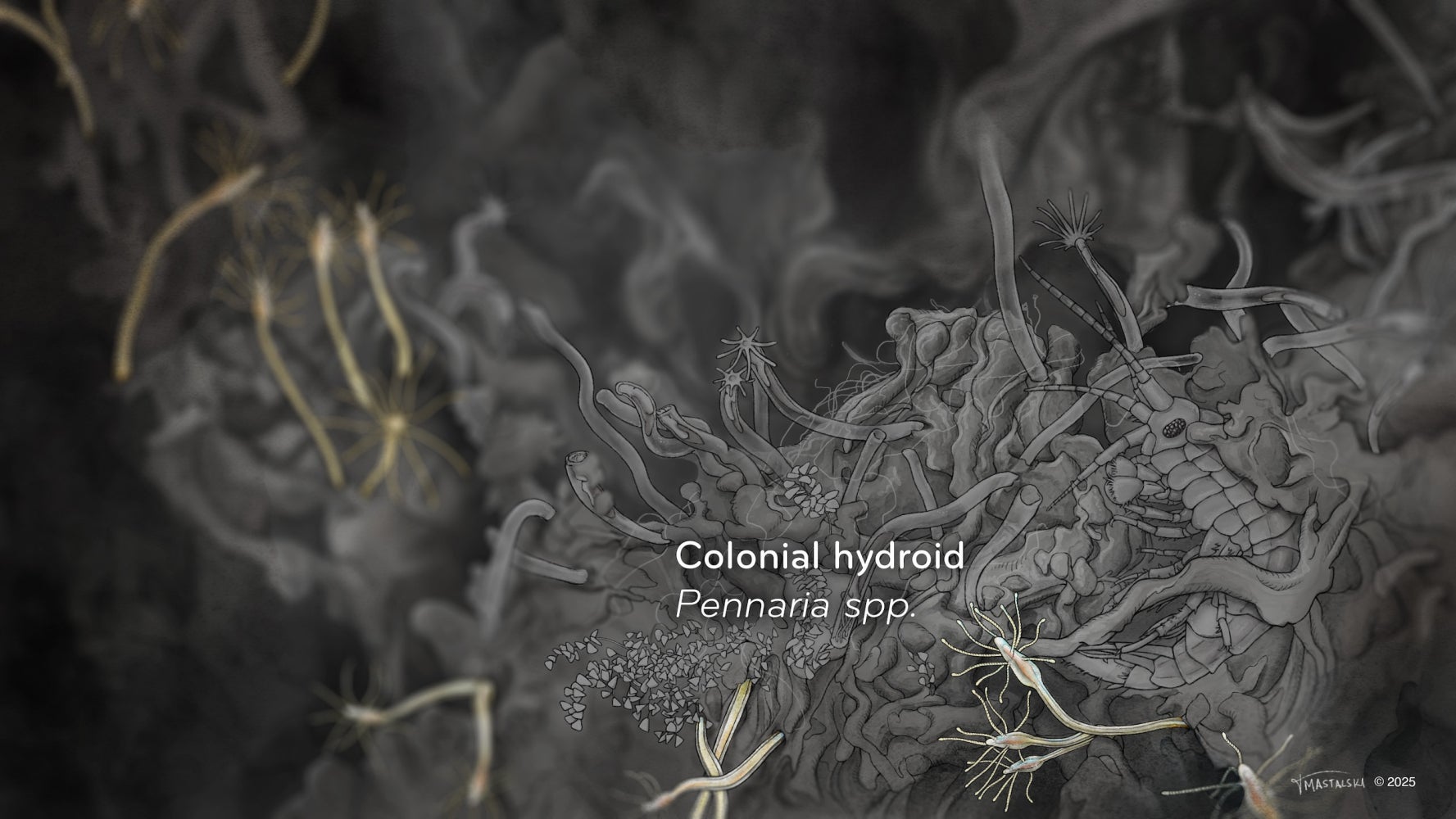
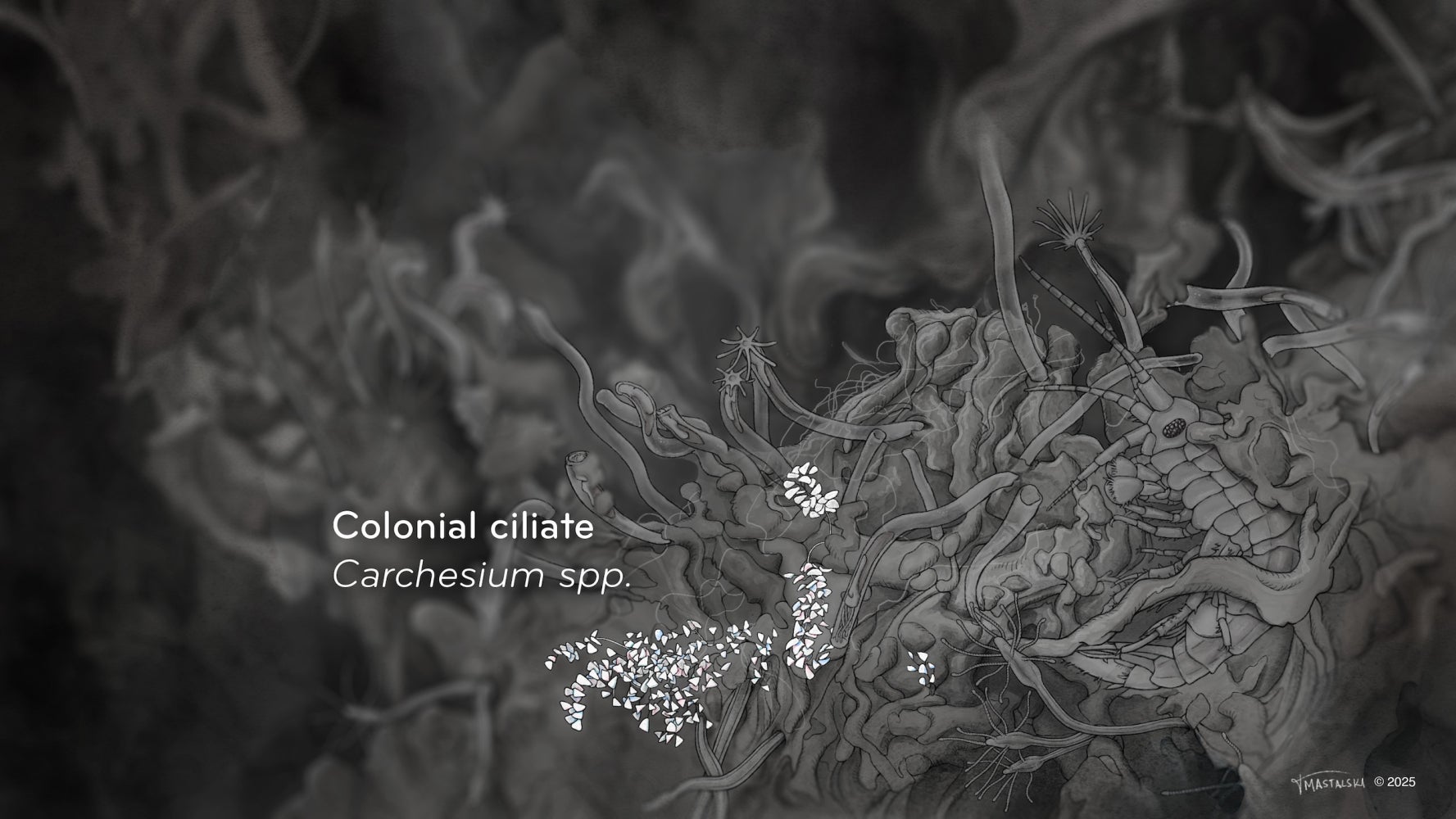
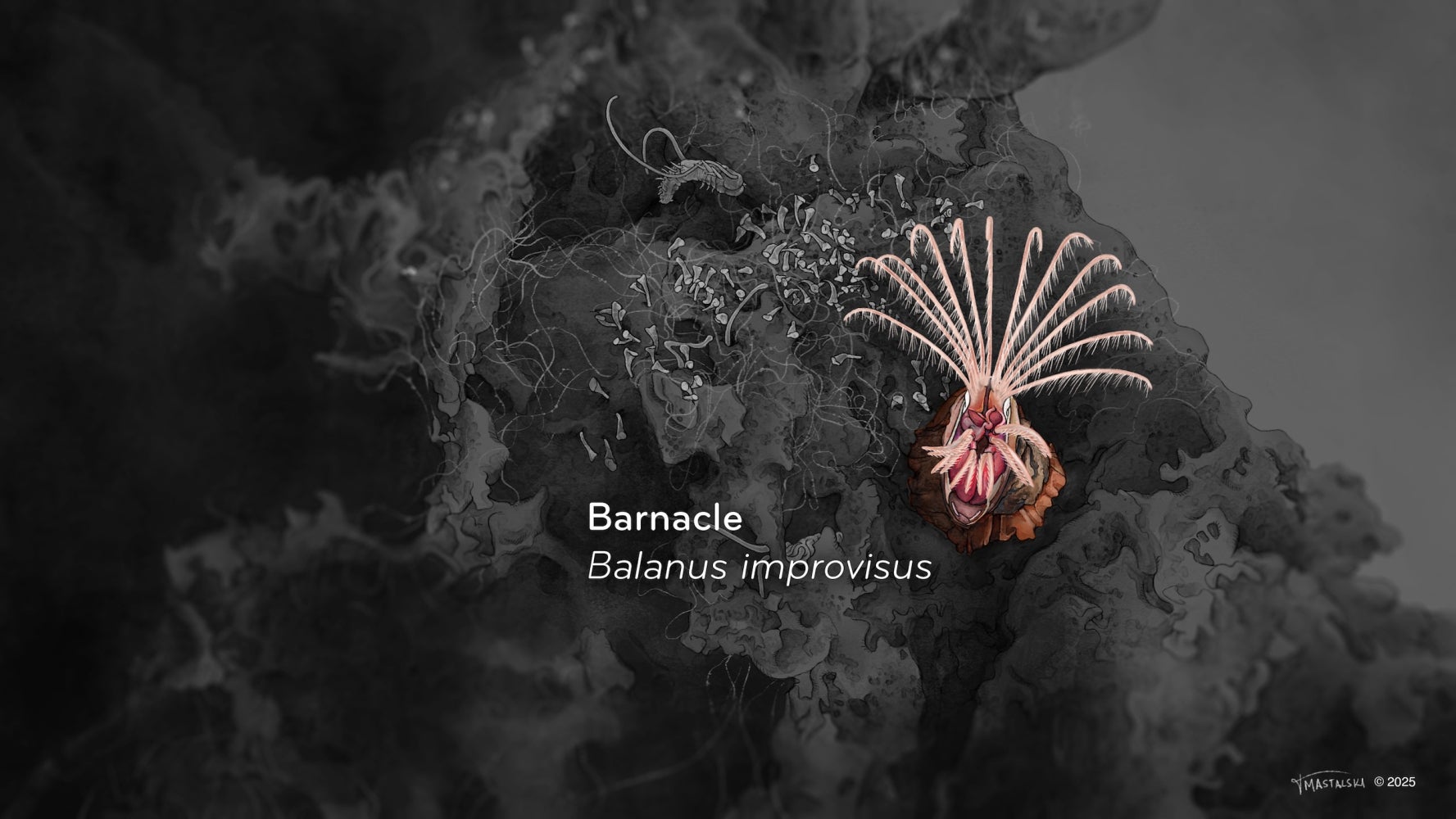
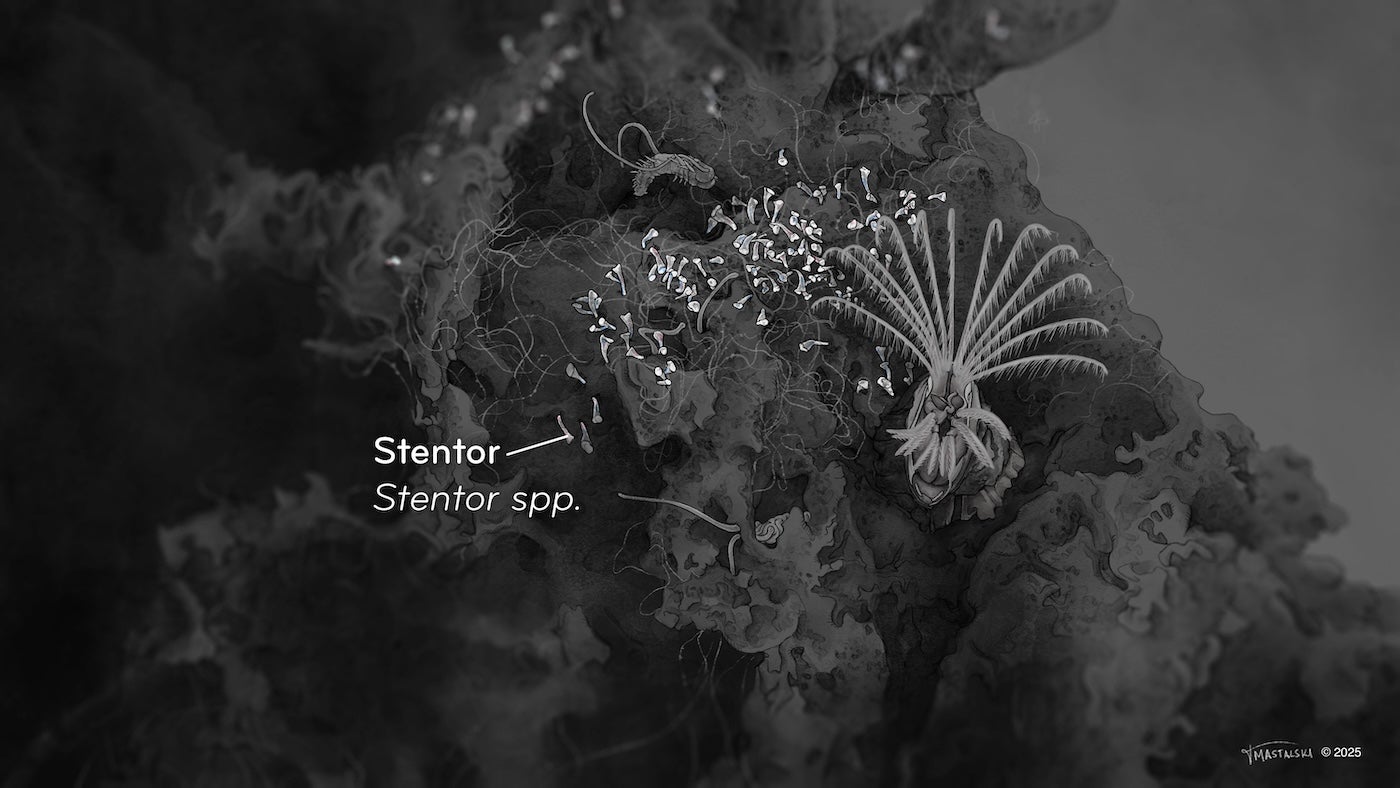

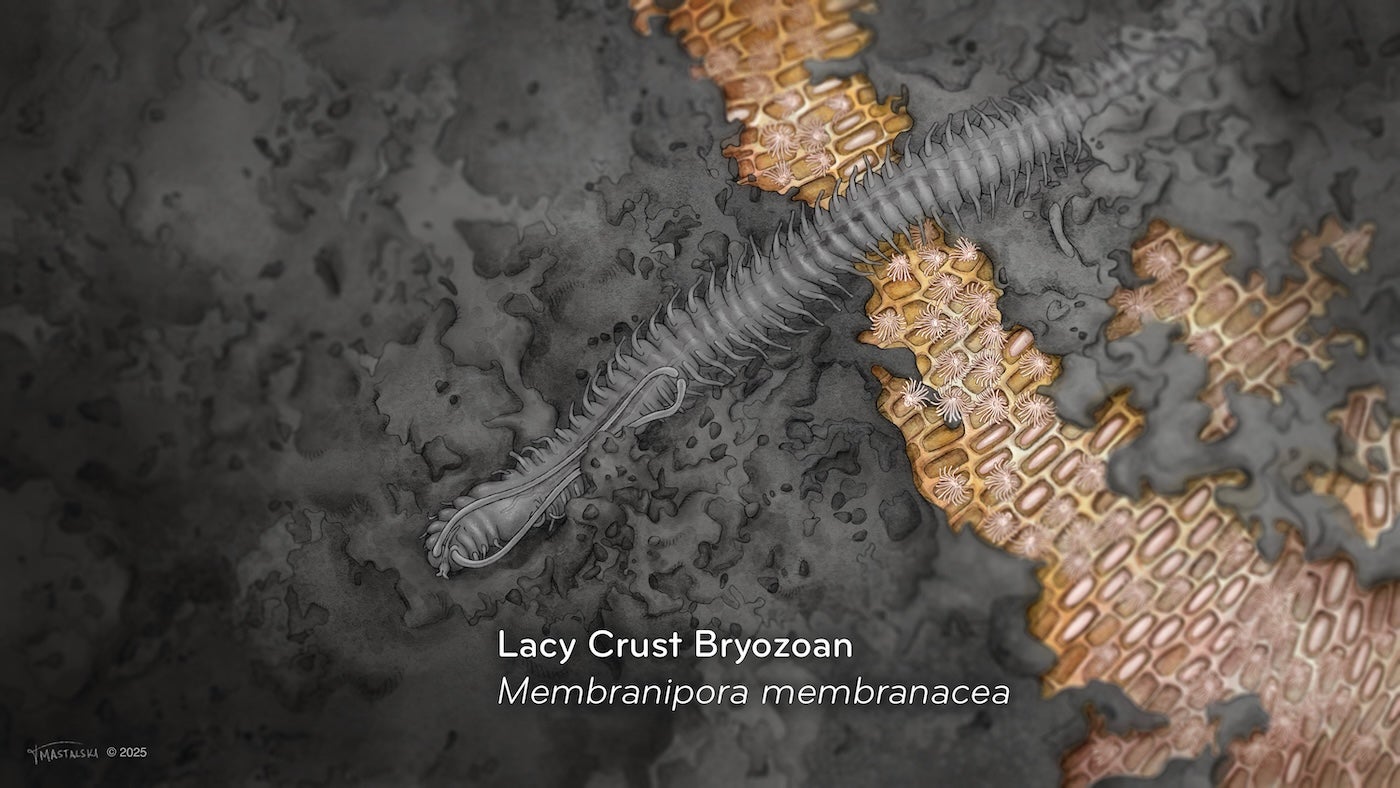
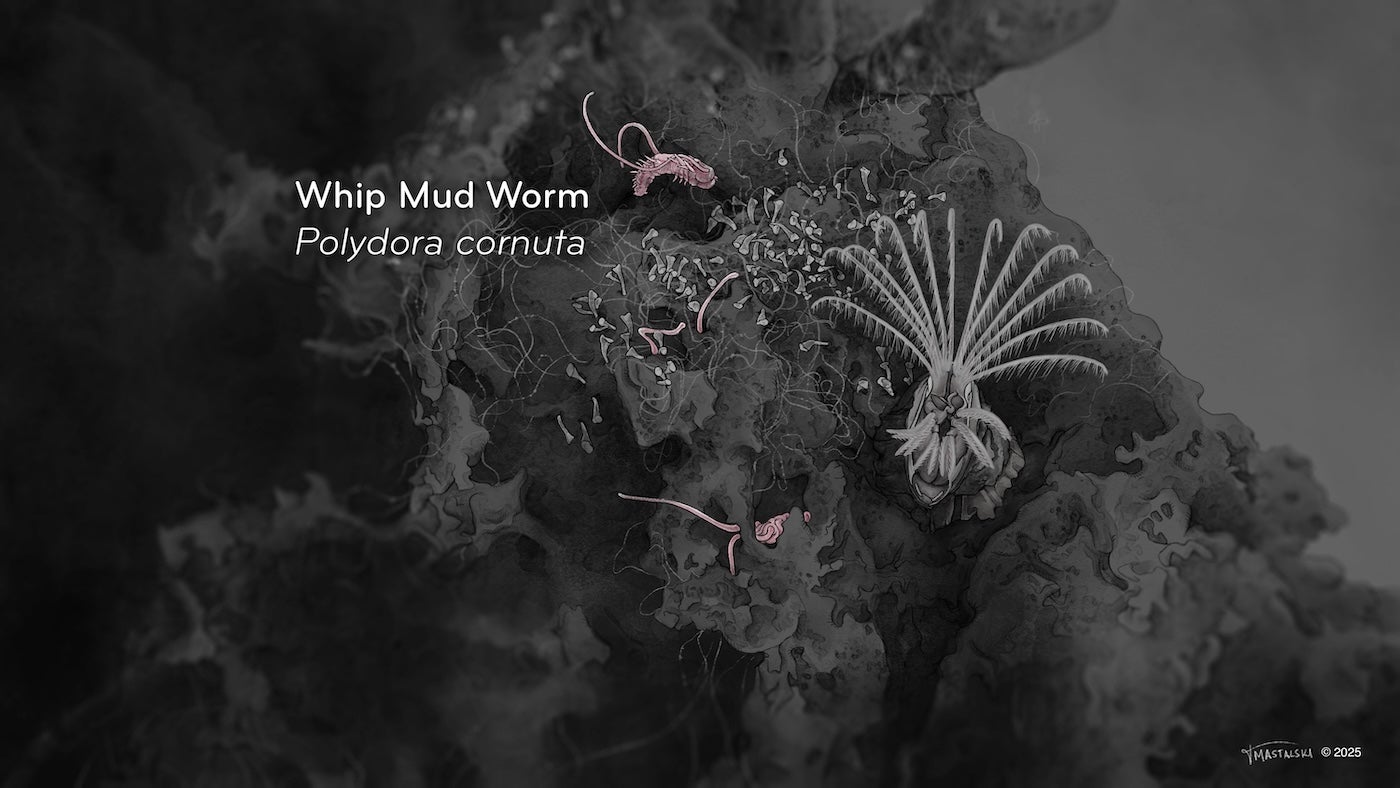

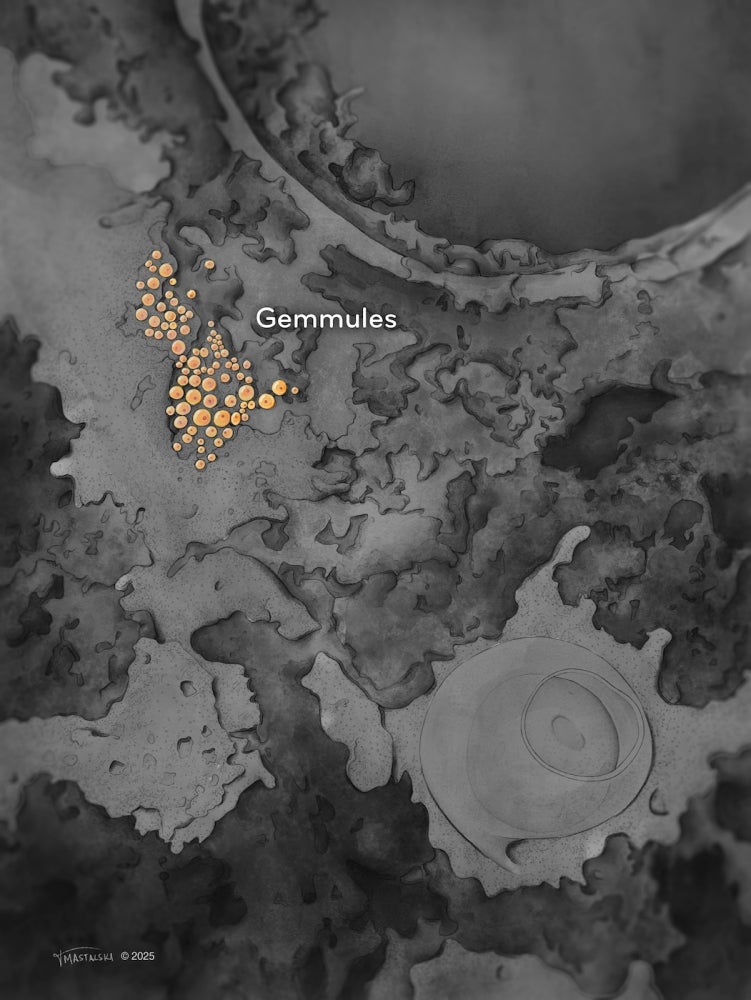
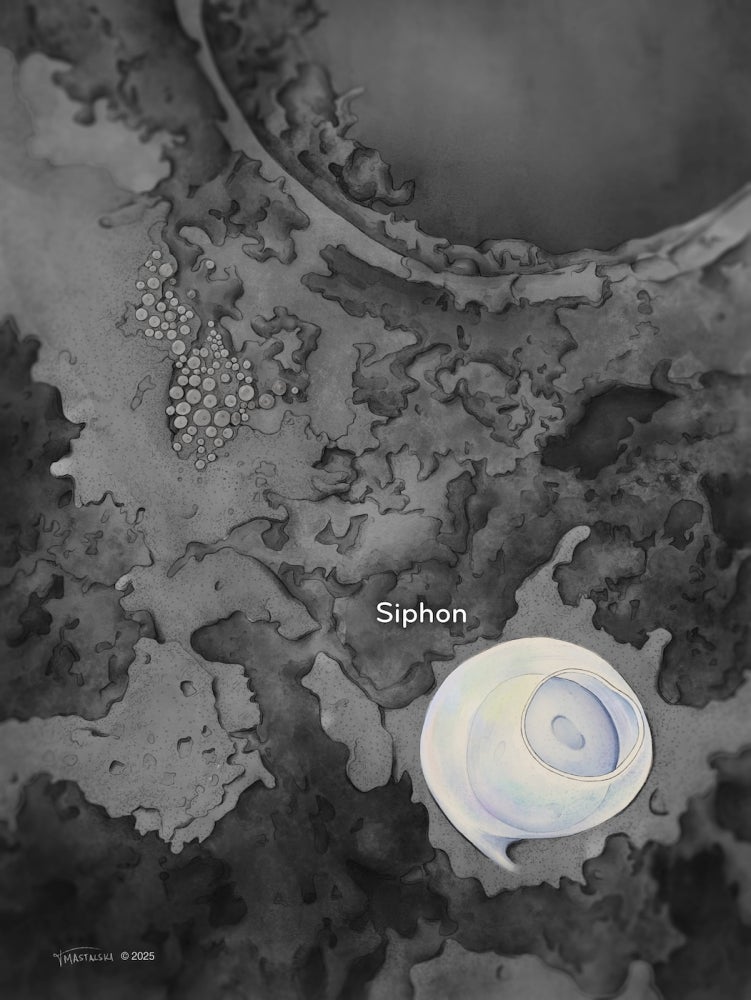
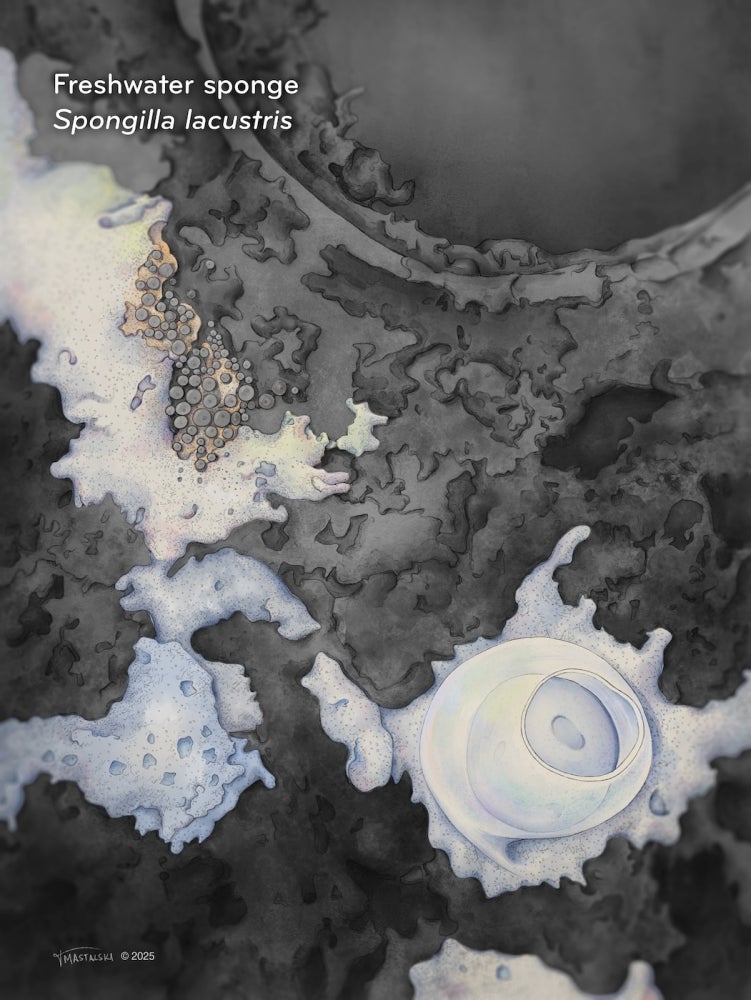
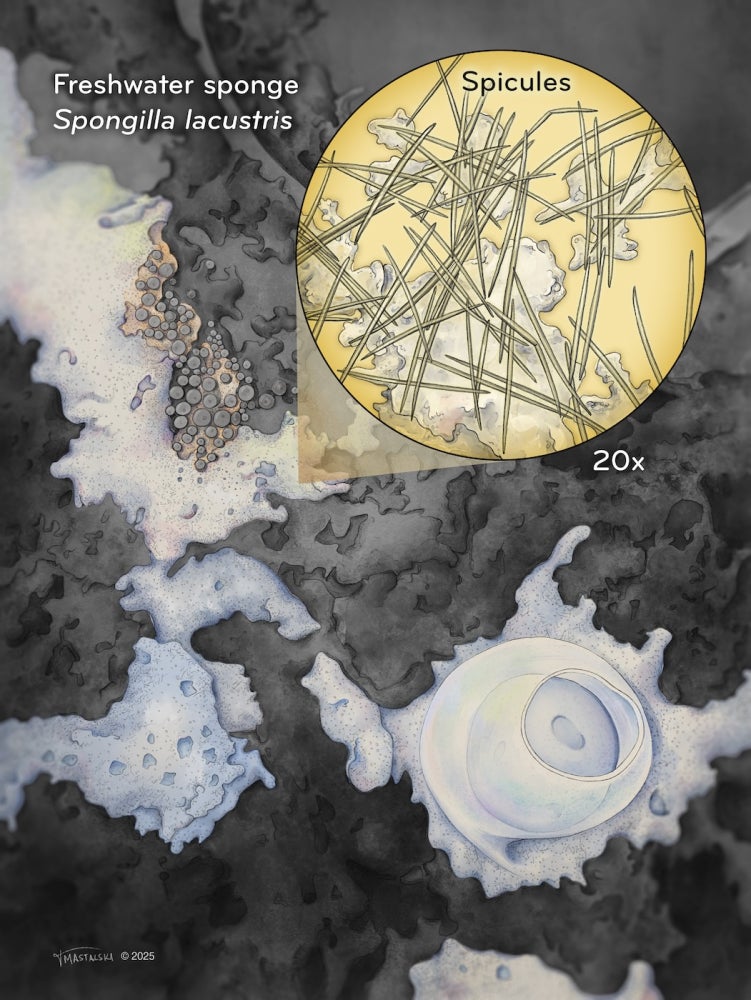

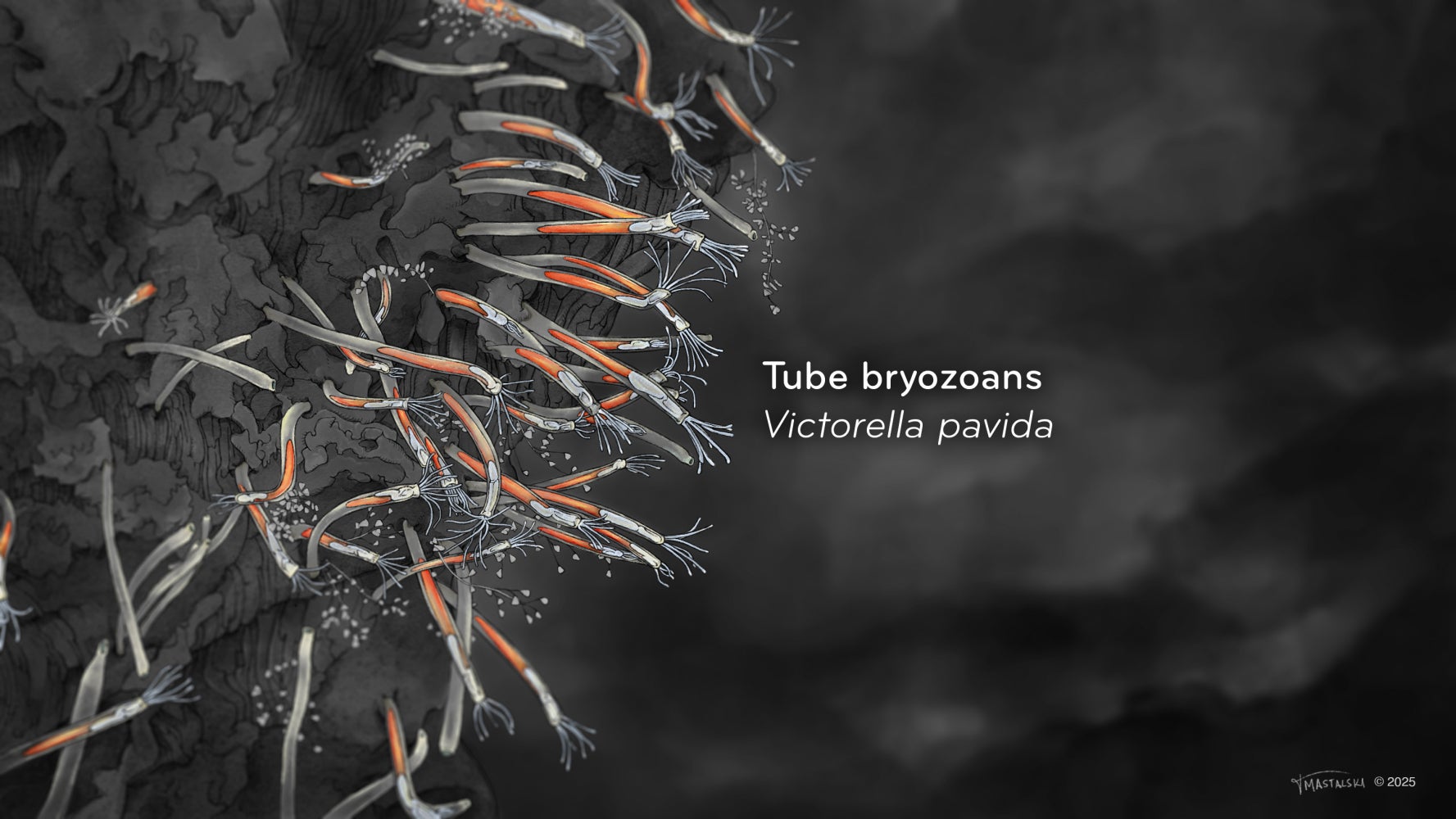
Discover common creatures found on biofilms in the Baltimore Harbor for the Biofilms and Biodiversity program.
Cable Bacteria
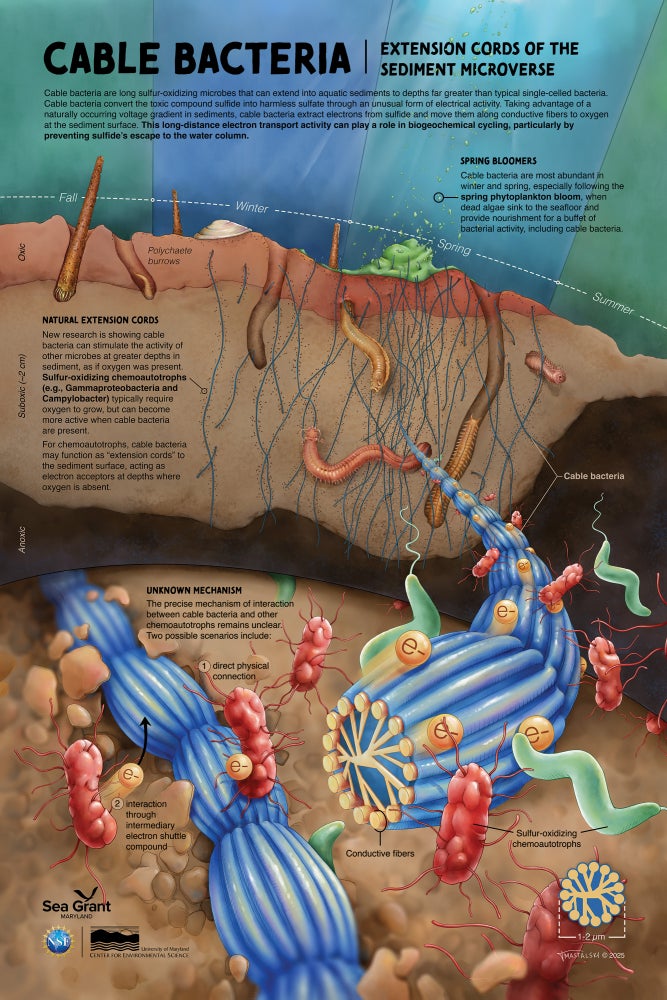
Learn about cable bacteria—long, self-oxidizing microbes that can function as natural “extension cords” and stimulate activity of other microbes in deep aquatic sediments.
Cyanobacteria
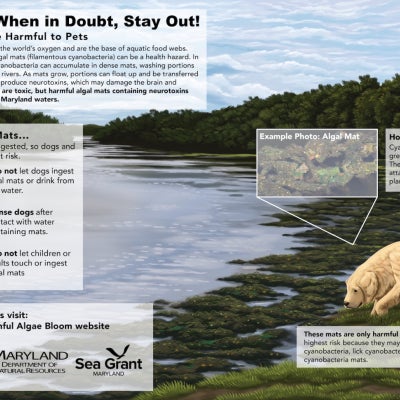
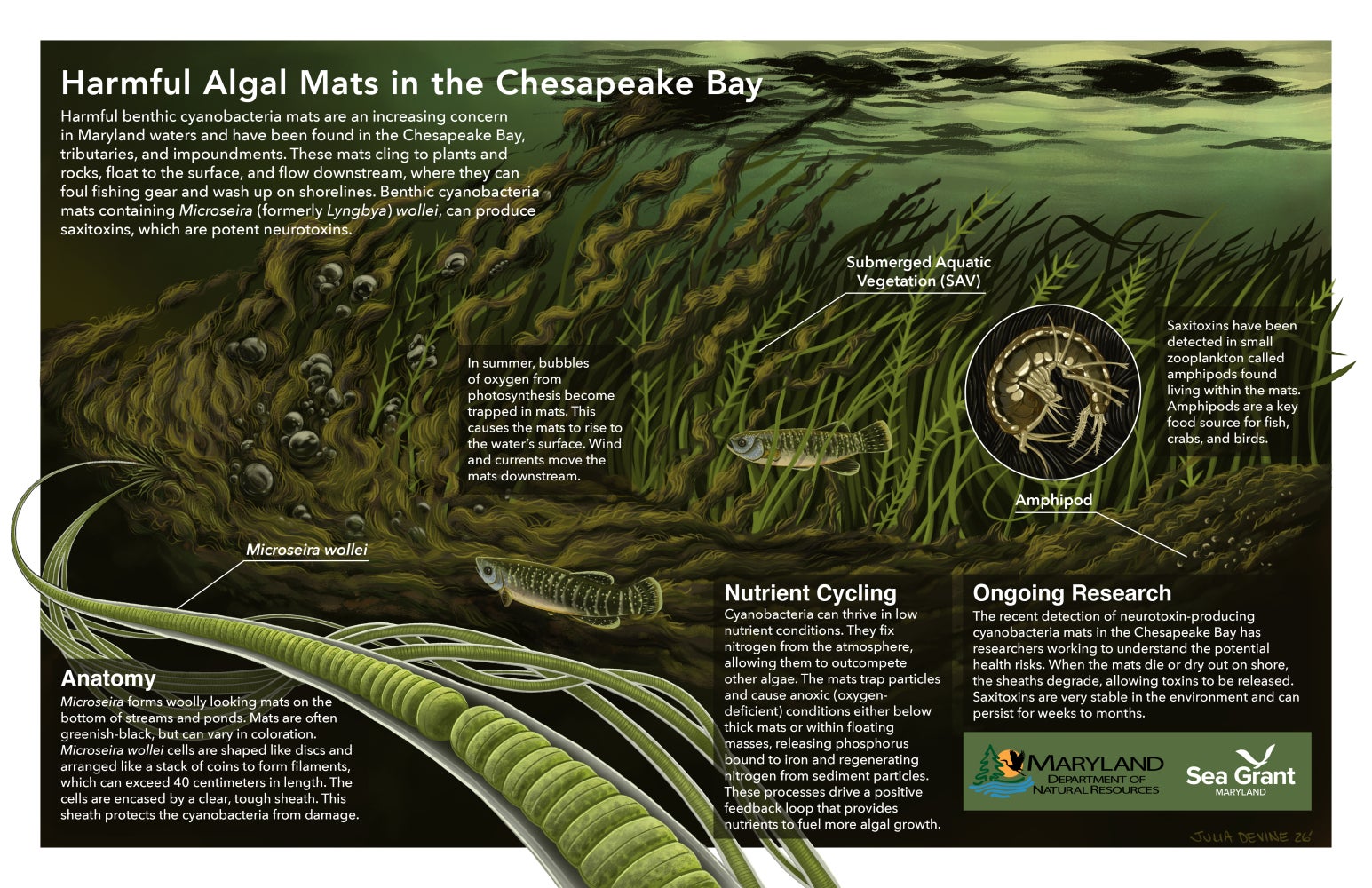

Learn about harmful algal mats in the Chesapeake Bay, including the scientific processes that form algal mats and how to protect your pets.
Oyster Lifecycle at a Hatchery
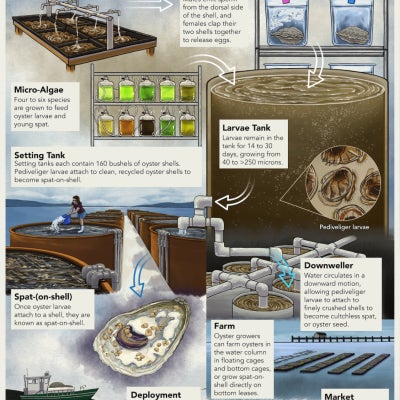

Follow the life cycle of an oyster at Horn Point Oyster Hatchery, from broodstock and spawning tanks to oyster farms and local restaurants.
Rain Gardens
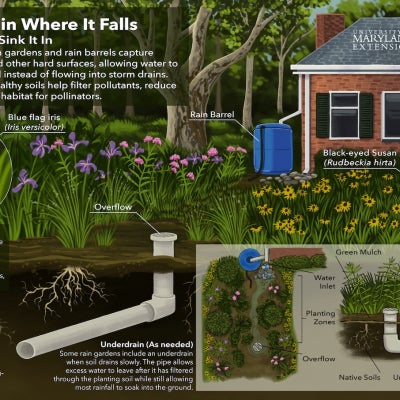
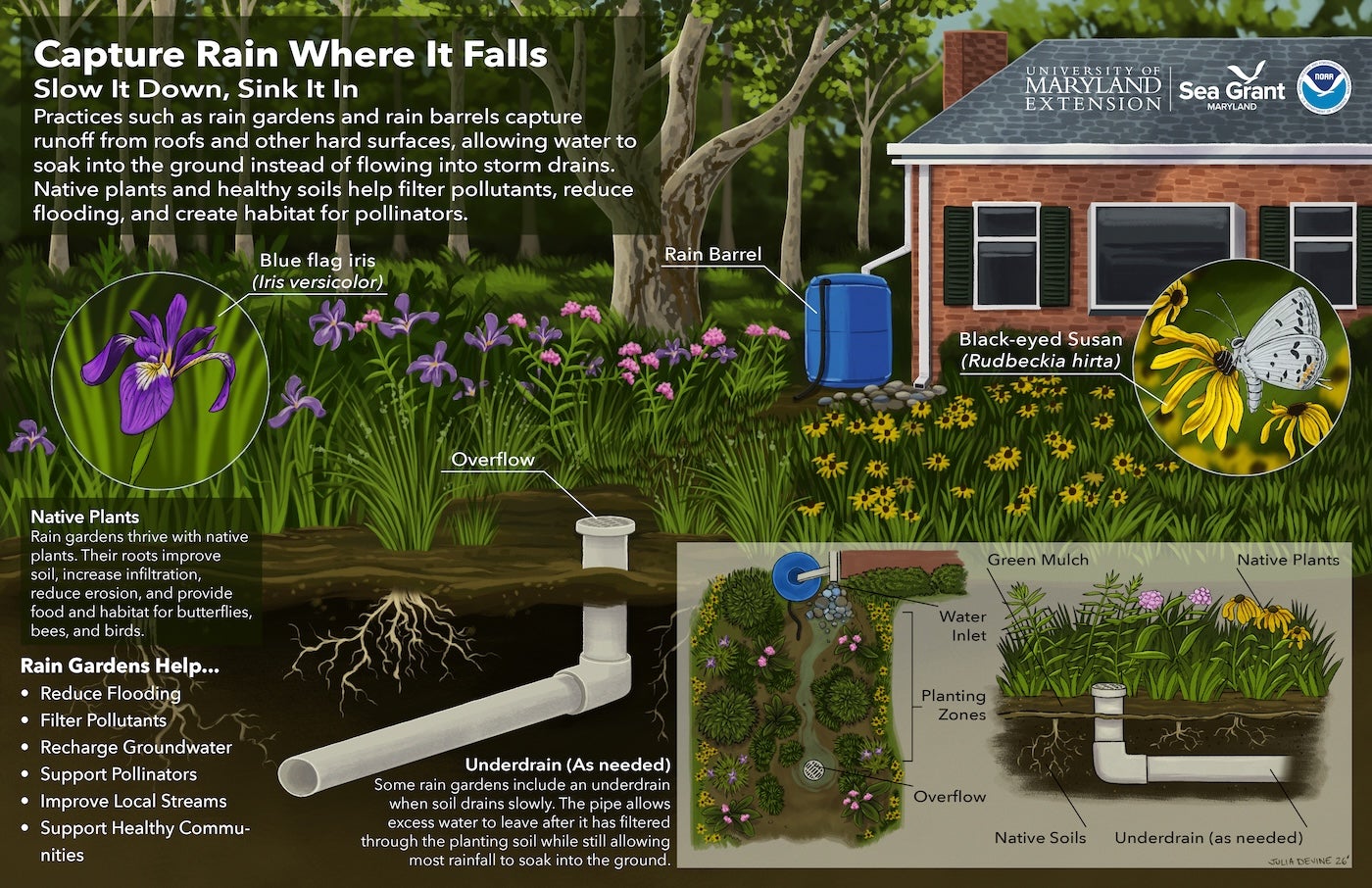
Discover how rain garden practices, including rain barrels and native plants, help contain stormwater runoff.
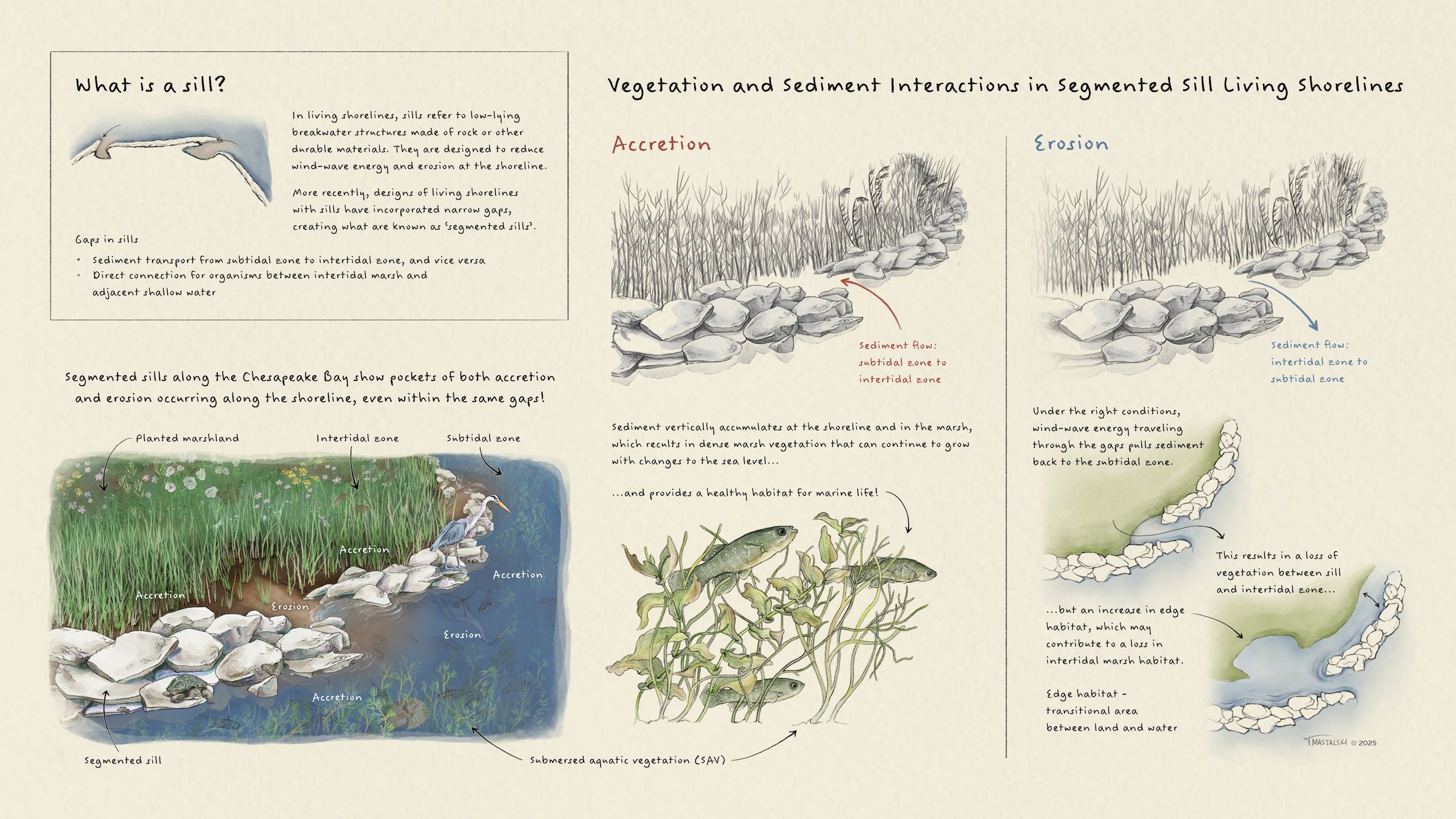
Segmented Sills
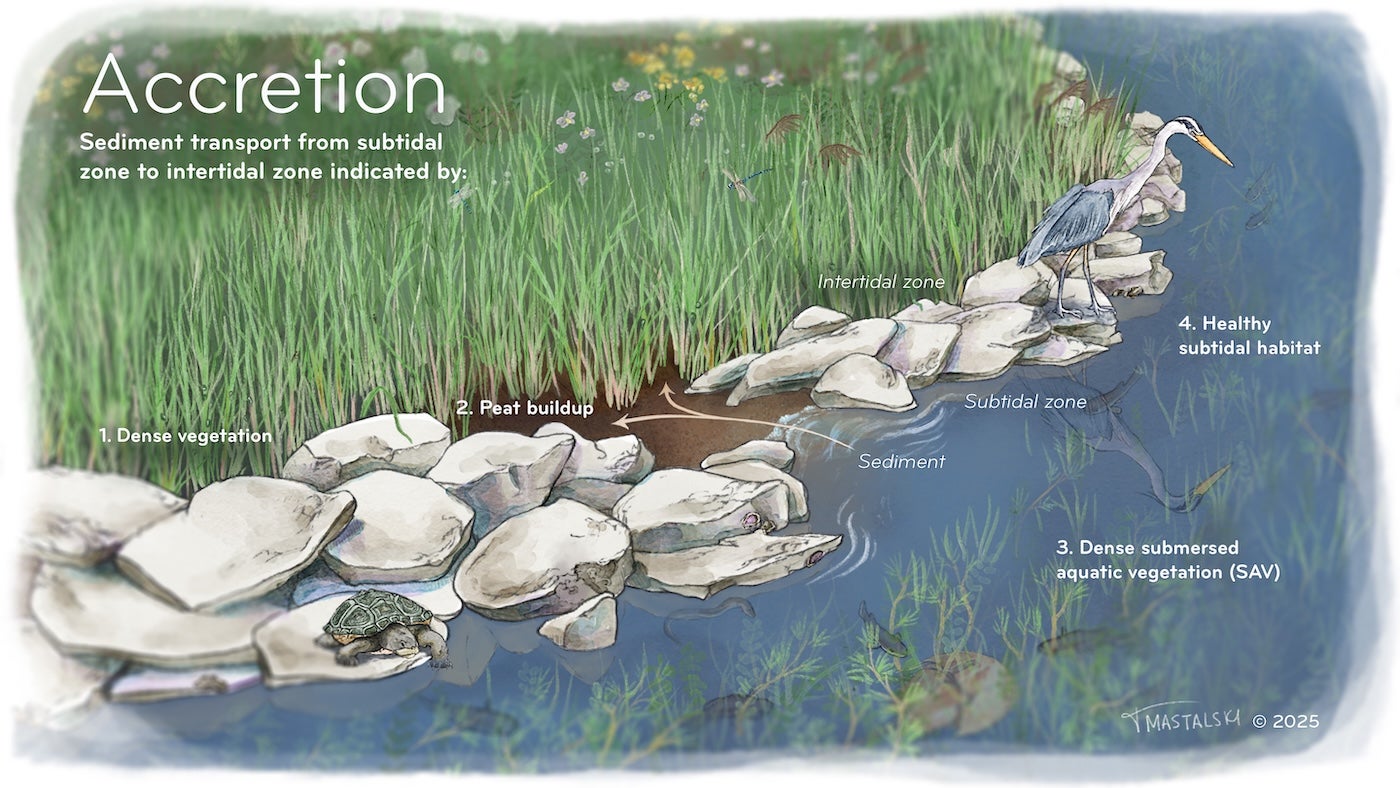
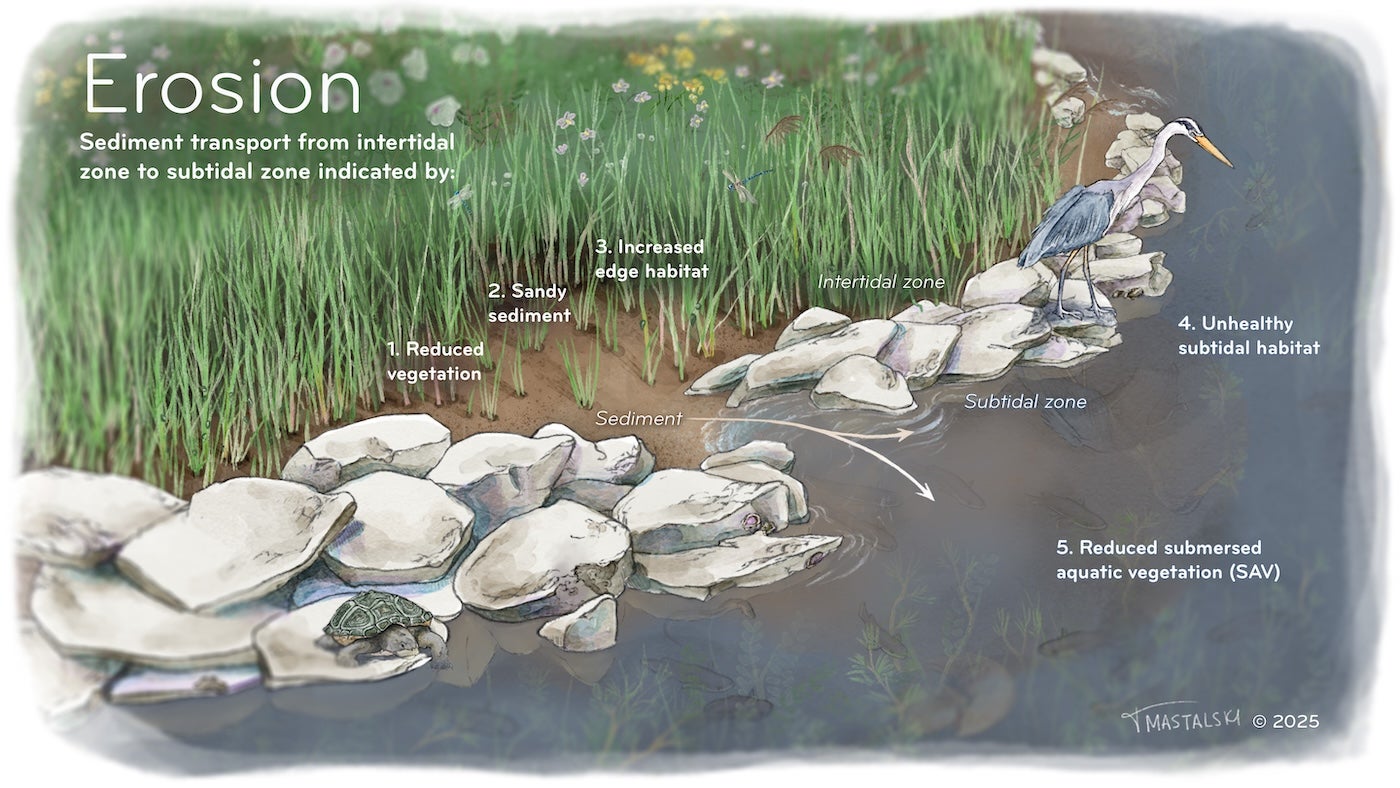

A series of illustrations show vegetation and sediment interactions—accretion and erosion—in living shorelines that include gaps, or “sills.”
Water Quality & Wastewater Infrastructure
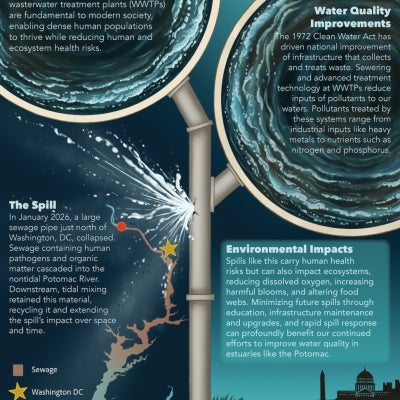

Learn about the importance of wastewater infrastructure in light of a sewer pipe collapse that sent untreated human waste into the Potomac River.
Program Announcements
News and Blogs


Featured Fellow
Nina Santos
Nina Santos is a Ph.D. student at the Chesapeake Biological Laboratory at the University of Maryland Center for Environmental Science. For her dissertation, she is focused on small shrimp-like crustaceans called mysids – an understudied yet important part of many estuarine and coastal food webs.
Featured Research Project
Geochronology Study of Per- and Polyfluoroalkyl Substances Deposition and Ecosystem Response in the Chesapeake & Maryland Coastal Bays
Per- and polyfluoroalkyl substances (PFAS) are environmentally persistent contaminants linked to adverse health outcomes in humans and wildlife. In Maryland's Chesapeake Bay and Coastal Bays, PFAS accumulation in sediments and biota, as well as their ecological impacts, remain poorly understood. This project will reconstruct multidecadal PFAS deposition histories using sediment cores, apply microbial community profiling to assess benthic ecosystem responses, and translate findings into practical guidance for aquaculture and environmental management.